The Heart of Human Expression: Understanding Art’s Unchanging Purpose in a Changing World
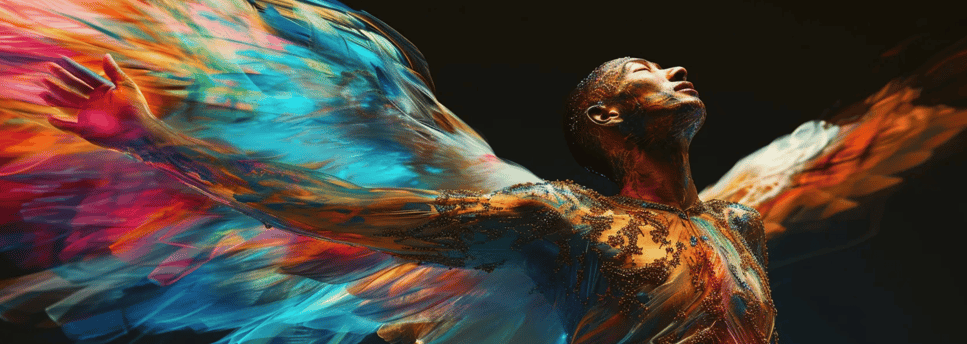
Art is not just a passive reflection of culture but, rather, it has the potential to influence and condition society.
5/8/20243 min read
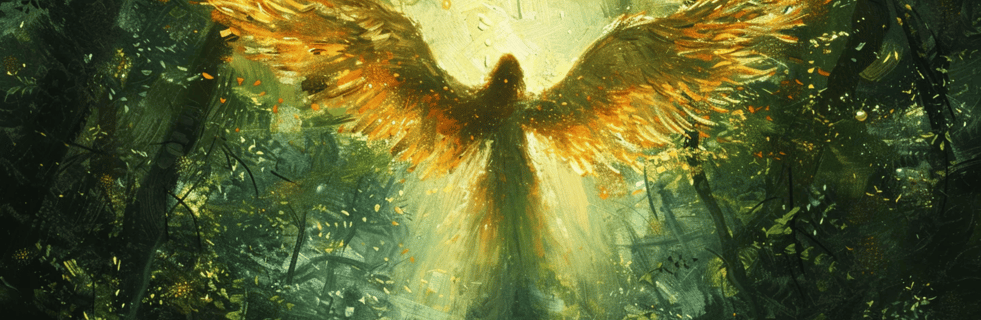
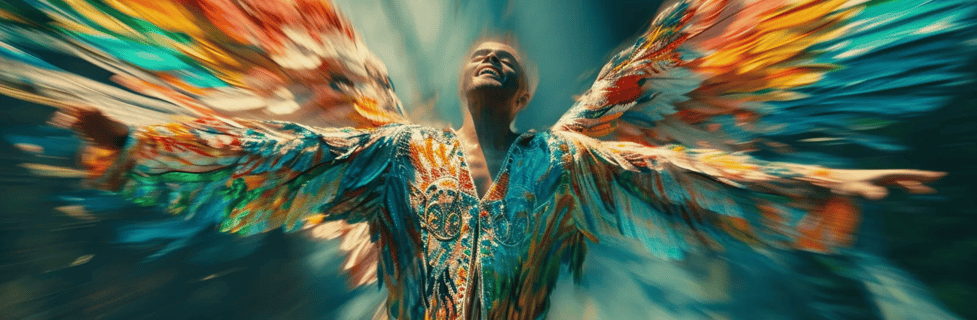
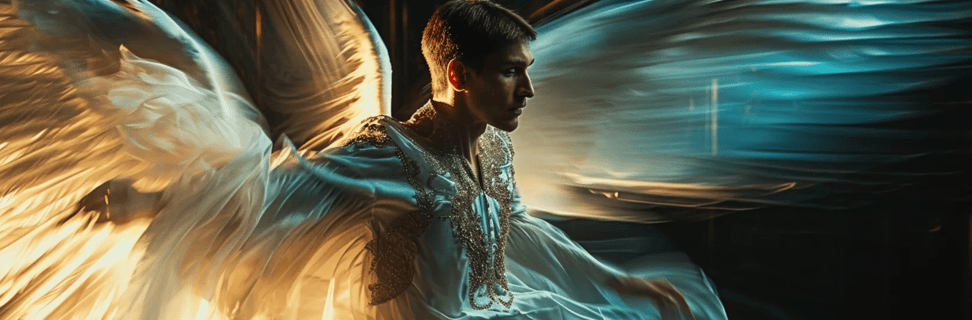
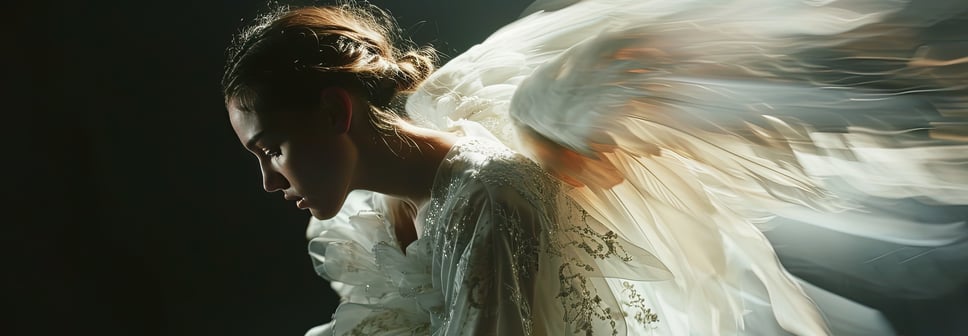
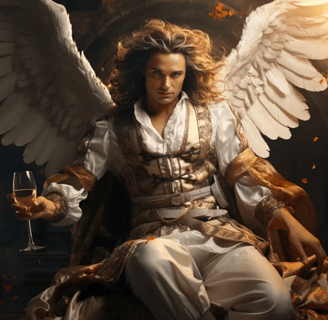
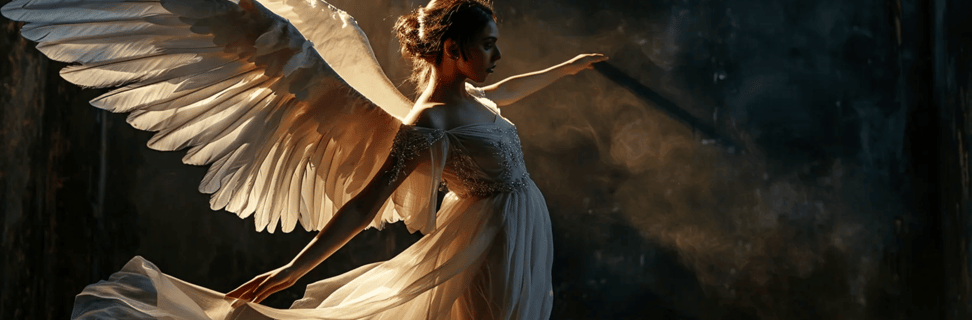
AI-crafted creativity
Art is in the eye of the beholder. It was ever thus. And there is enough room in the world for all kinds of creative expression. Imagination is the key to creating our reality.
The Enduring Role of Art in Civilization
Art has been an essential part of mankind’s long history. From ancient cave drawings to today’s digital images, it has always been one of the most expressive ways of communication, reflecting man’s soul and cultural values. While the forms and techniques have been changing with time, the intrinsic core of this activity was and is to reflect, shape, and enrich the human experience.
Art as a Mirror of Culture
One of the main roles of art is to reflect the culture from which it comes. Whether it’s the intricate hieroglyphs on Egyptian graves or graffiti on urban walls, art expresses the values, beliefs, and aesthetics of societies. Through studying the art of ancient civilizations, it has been possible to understand their way of life, social setting, and view of the world.
Art as a Change Agent
Art is not just a passive reflection of culture but, rather, it has the potential to influence and condition society. It has been used by artists to speak out and make changes by shaking up old systems and encouraging people to think differently about the world. From satirical prints in Europe during the 18th century to thought-provoking installations by contemporary artists, art has always pushed the limits and cultivated critical thinking.
The Evolution of Art Forms
As civilizations have evolved, so too have the forms and techniques of art. It is these social and technological advancements, and a coming together of various cultures, that lead to the evolution of new styles or movements in art. Each era, from the realistic renditions of the Renaissance to the abstract expressionism of the 20th century, brought its own artistic vocabulary.
The Rise of AI Art
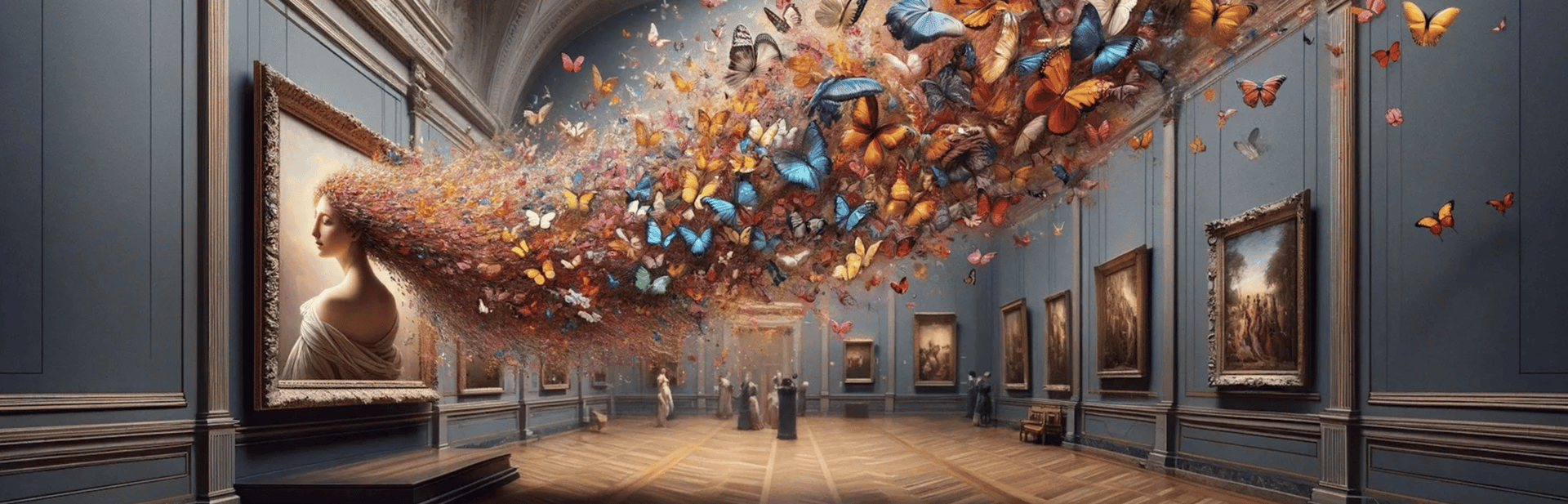
With the advancement of technologies, particularly artificial intelligence, the last several years have become the next frontier for artistic dimension. Today, AI algorithms are creating poetry, images, making music, and blurring the line between human creativity and machine learning.
While some consider it a threat to traditional creativity, others see it as an exciting new frontier, opening up a new world of opportunity for collaboration and innovation.
The Enduring Purpose of Art
Although the face of art has changed many times during its history, its underlying purpose has been the same. It permits people to express the inexpressible, to make manifest those aspects of the human experience that are intangible. It enables exploration of one’s emotions, dreams and fears, and connects us with others on a deep level.
Whether crafted by a human or made by an algorithm, art will continue to hold its worth in civilization. It mirrors our shared humanity and the human spirit’s ability to soar beyond possibility.
Final Thoughts
Since the beginning of human existence until this digital age of ours, art had been a critical part of civilization. It has served as a mirror of culture, a catalyst for change, and a testament to the boundless creativity of the human spirit. Art will always evolve along with new technologies. But art’s purpose at its core will remain the same: to enrich our lives, challenge our assumptions, and remind us of the beauty and complexity of the world we live in. Where there are human beings, there is art — a timeless expression of who we are and who we aspire to be.
Hi. I’m Maria Chambers. I am a new consciousness teacher, helping to bring in new energies through my art, music, and spoken and written word.
Also, you can buy me a coffee. Many Thanks!
AI Art Maria Chambers
AI Art Maria Chambers